The Wyck Home Farm is the premier urban farm in Northwest Philadelphia. Established in 2007 with the support of the Samuel S. Fels Fund, Wyck developed its farm to serve several distinct but inter-connected purposes. The Home Farm
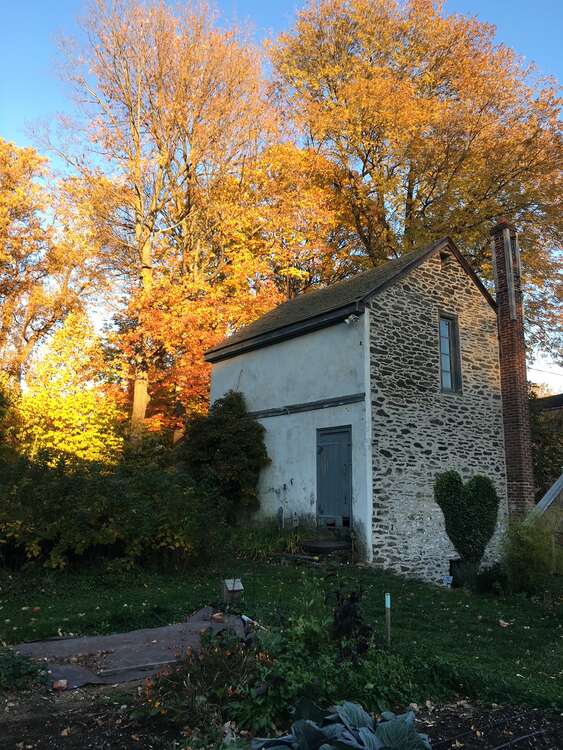
For more than 250 years, Wyck existed as a working farm, and today we interpret this agricultural legacy by continuing the tradition of farming. Today the animals are gone (with the exception of our chickens and bees), as is most of the original 50-acre site, but what still exists has tremendous potential as a unique, verdant, productive asset to our well populated, urban neighborhood.
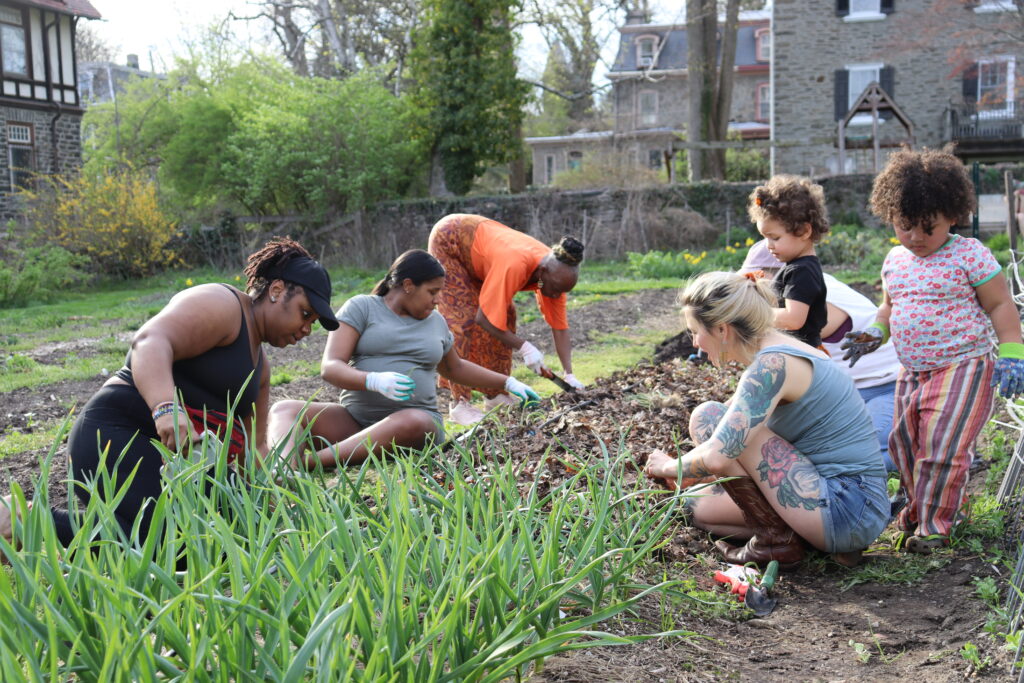
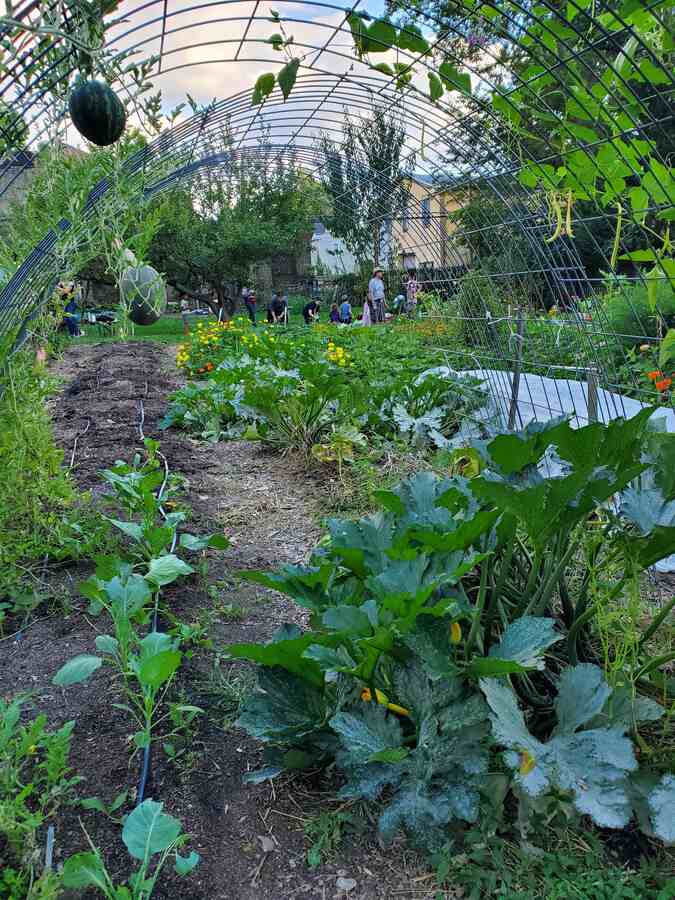
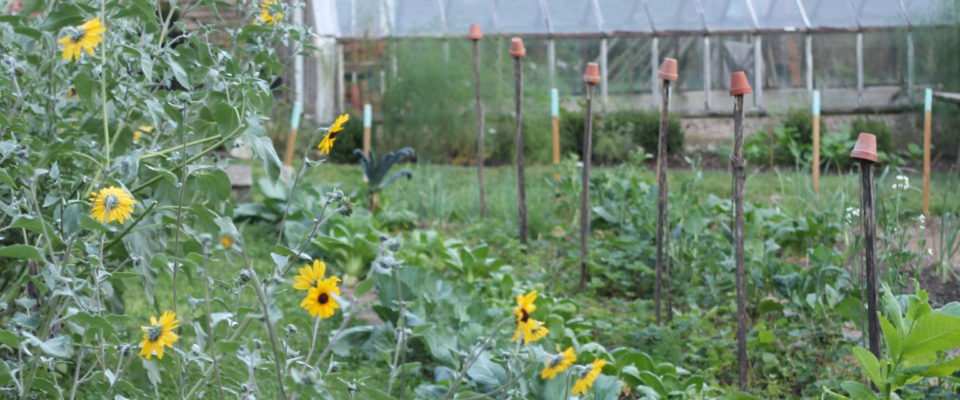
We cultivate large vegetable and herb gardens using traditional, chemical-free techniques. Food crops consist of plants that were grown on the property historically; crops favored by neighbors, many of whom have Southern roots; plants with particular educational value to visiting schoolchildren; and newer varieties that are easy to grow and interesting. A flock of laying hens and several beehives round out the farm. We have maximized our growing season by restoring a 1914 Lord and Burnham greenhouse as well as three historic cold frames.
The Home Farm has become the fulcrum of new types of programs that Wyck has developed in order to serve our local constituents, including:
Our Home-Farm-centered programs dovetail beautifully with our core mission to preserve the Wyck historic site and to maintain the Wistar-Haines family values, particularly the values of social and environmental responsibility and community development.
The Home Farm and related programs have caused Wyck's audience to more than triple in the five years since the farm began.
See why Philadelphia Magazine named Wyck's Farmers Market one of their favorites...
Wyck's Farmers' Market is open on Germantown Avenue every Friday afternoon from June through November. Coordinated in partnership with The Food Trust, it provides the sole opportunity to buy beautifully grown, extremely fresh, chemical free produce in the immediate neighborhood. Much of the produce is harvested on the very day of sale. The market is a great place to swap recipes and try unusual, heirloom vegetables.
Home Farm produce sold in 2011 included apples, a variety of beans, blackberries, black raspberries, cabbage, carrots, chard, concord grapes, edamame, eggplant, figs, garlic, a variety of lettuces, kale, parsnips, popcorn, squashes, strawberries, sweet potatoes, tomatoes, and more, as well as numerous heirloom varieties of fruits and vegetables. Wyck’s chickens supplied eggs, and our bees supplied honey. In addition, the market distributed the vegan, soy-free goods of Earth's Elements Foods & Products, Inc., including whole-grain crumb cakes and muffins, spice rubs and blends, and sauces and dressings.
We aim to make fresh, healthful food affordable to as many people as possible. We sell much of our produce below market rate, and, through our partnership with The Food Trust, we accept Supplemental Nutrition Assistance Program benefits as well as the vouchers distributed through the federally-funded Farmers Market Nutrition Program.
Unlike at most urban farmers markets, Wyck market-goers have the opportunity to stroll through the gardens and see where and how their food is grown. Wyck staff is always available to answer questions about growing and using fresh food. Additionally, Wyck House is open for free, self-guided tours on Fridays, 1:00 - 4:00, to coincide with the Market (during the June-November season).
We welcome you to stop by or become a regular!
Each week during the Farmers Market season, we produce our Weekly Harvest Report, an e-bulletin that focuses on what's for sale at the market, crop education, food preparation advice and recipes, and farm-related news. Click here if you would like to receive this e-bulletin from June through November. And, below, please enjoy this sampling of recipes that utilize crops grown on the farm and sold at the market. Our farmer, Emma Morrow, chose these recipes for our fall 2011 bulletins.
For those who are looking for something to do with their Concord grapes (besides just eating them), I have two recipes to share. I've heard rave reviews of the focaccia from friends, and I can personally attest that the time spent squeezing grapes out of their skins for the jam is well worth the delicious result.
Grape Focaccia with Rosemary
You can find this recipe at the Smitten Kitchen (http://smittenkitchen.com), which is my favorite recipe site of all time.
http://smittenkitchen.com/2010/09/grape-focaccia-with-rosemary/
Grape Harvest Jam
from HomeBaking, by Naomi Duguid and Jeffrey Alford
This recipe makes about 5 cups of jam. If you want to can it for the intense taste of late-summer throughout the cold months, click here for some clear, concise instructions on preparing and filling your jars, and water-bath processing. If you want to make more or less jam than this recipe yields, just use 1 cup of sugar for every 1 pound of grapes.
Fill your canning pot with water and start heating it. (You can use this water to sterilize your canning jars, if you like. Place the jars in the water and boil them for ten minutes. If you can, time it so that you remove the jars from the boiling water just when you want to fill them. Lids SHOULD NOT be boiled; place them in a clean bowl and pour hot water over them a few minutes before you will need to use them, or simmer them gently for a few minutes and let them sit in the water until you need them.)
Sitting somewhere comfortable, possibly with a friend to help you, squeeze each grape out of its skin and into a stainless steel pot. Place the skins in a separate bowl; you'll be using them later. Don't worry about seeds; you'll be getting rid of them later.
Place the pot of grape pulp over medium heat, cover, and bring to a gentle boil. Cook for 5 to 6 minutes, stirring occasionally. When the grapes have broken down into a mush, remove from the heat. Place a large bowl in the sink and set a sieve over it. Pour the grape pulp into the sieve and use a wooden spoon to help push it through the mesh. Discard seeds.
Add the grape skins to the pulp and bring to a vigorous boil, stirring constantly. Boil for 1 to 2 minutes (you'll see the mixture quickly darken from the color in the grape skins). Gradually add the warm sugar, stirring it in 1 cup at a time. Bring back to a rolling boil and cook, stirring constantly, for another 2 minutes. Remove from the heat and skim off the foam.
Place hot sterilized jars on a tray or board, and ladle hot jam (with sterilized ladle) into them, leaving 1/4" headspace. Place a lid and ring on each jar. Don't tighten the rings all the way! Place the jars carefully in the boiling water. Once the water in your canner returns to a boil, process the jars for 10 minutes. Remove from the canner and place on a heatproof surface (NOT a cold surface -- the change in temperature may crack the jars!) like a cutting board or trivet. Listen for the pings as the jars seal (this may take several minutes). If any jars don't seal, place them in the refrigerator and eat them first.
Braised Collard Greens with Sweet-&-Sour Sauce
From Farmer John's Cookbook by the folks at Angelic Organics in Illinois
Serves 2:
Bring water, sherry, soy sauce, honey or sugar, and five-spice powder to a boil in a heavy pot.
Add greens; cover. Reduce to a simmer and cook until very tender, 15-20 minutes. Time here will depend on the type of greens you're using; collards will take a little longer than kale or Senposai. Add more water if necessary to keep mixture from drying out.
Uncover the pot and continue simmering until the mixture no longer resembles a soup, 3 to 4 minutes. Remove pot from heat.
Stir in a dash of rice vinegar. Season to taste with honey, soy sauce, or rice vinegar.
* Chinese 5-spice powder is a flavorful blend of (typically) fennel, cinnamon, cloves, star anise, and peppercorns. It's available in most supermarkets.
Squash Blossoms Stuffed with Ricotta
From www.epicurious.com
Serves 4 as a first course, 2 as a main course:
Stir together ricotta, yolk, herbs, 1/3 cup Parmesan, and a sprinkle each of salt and pepper. Carefully open each blossom and fill with about 2 rounded teaspoons of ricotta filling, gently twisting the end of the blossom to close. You may have filling left over. Whisk together flour, remaining 1/3 cup Parmesan, 1/2 teaspoon salt and seltzer in a small bowl.
Heat 1/2 inch oil to 375 degrees in a heavy 10-inch skillet (if you have a deep-fat thermometer, this is easy. If you don't, try bouncing a drop of water off the oil to check if it's hot enough). Dip half of the blossoms in the batter to thinly coat, then fry coated blossoms, turning once, until golden, 1 to 2 minutes total. Place on paper towels to drain. Coat and fry remaining blossoms.
Season to taste with salt and pepper, and serve with your favorite tomato sauce.
Parsnip Soup
From Emma's kitchen
This is a very basic recipe; dress it up with some curry powder and cumin, or add some chunks of apple about halfway through the cooking time to boost the sweetness.
Serves 2 very hungry people :
Heat butter in a heavy-bottomed soup pot. When foaming subsides, add onion and sauté until translucent. Add parsnips and sauté for another 5 minutes or so, until onions are beginning to brown.
Add stock and bring to a boil, then cover and simmer until parsnips are very tender, about 10 minutes.
Pureé soup with an immersion blender, a regular blender, a food processer, or by running it through a food mill. Return to pot and, over low heat, stir in milk or cream (if using) and season with salt and pepper to taste.
Wine-Braised Red Cabbage
Adapted from Bon Appetit magazine
Serves 4:
Melt butter in a heavy large skillet over medium heat. Add cabbage, apple, onion and bacon. Sauté until cabbage is crisp-tender, about 6 minutes.
Add wine and vinegar. Cover and cook at a simmer until cabbage is tender, about 10 minutes.
Add honey, and simmer for an additional 3 minutes or so.
Season to taste with salt and pepper.
Fried Green Tomatoes
From Fannie Flagg's Fried Green Tomatoes at the Whistle Stop Café
Slice tomatoes about 1/4-inch thick, season with salt and pepper, and then coat both sides with cornmeal.
In a large skillet, heat enough bacon drippings to coat the bottom of the pan and fry the tomatoes until lightly browned on both sides.
You'll think you've died and gone to heaven.
Barley Risotto with Beans & Greens
From SmittenKitchen.com
5 cups low-sodium vegetable or chicken stock
2 tbsp extra-virgin olive oil
1 medium onion, cut into 1/4-inch dice
1/4 tsp thyme
1/2 cup white wine (optional)
1 cup pearled barley
1 cup beans of your choice, canned or precooked
3 cups chopped escarole (feel free to substitute other greens here, too)
1/2 cup freshly grated Parmigiano-Reggiano cheese, plus more for serving
2 tbsp unsalted butter, softened
salt and freshly ground pepper
In a medium saucepan, bring the chicken stock to a simmer over moderately high heat. Reduce the heat to low and keep warm.
In a large, deep skillet, heat the olive oil. Add the onion and thyme and cook over moderate heat, stirring occasionally, until the onion is softened, about 6 minutes. Add the barley and cook, stirring, for 2 minutes. If using, add the white wine and cook, stirring until absorbed, about one minute.
Add 1 cup of the warm stock and cook, stirring, until nearly absorbed. Continue adding the stock 1/2 cup at a time in six additions -- you'll have a cup of stock left in the pot -- stirring until it is nearly absorbed between additions.
Most barley risottos are done when the barley is al dente and suspended in a thick, creamy sauce, about 35 minutes. However, I like to make this one a little "soupier," adding another half-to-one cup of stock. (This gives the beans something to drink up, and gives you a margin of error if your grains continue to absorb the stock once you think they are done.) Stir it in until the risotto is on the loose side, then add the beans and let them cook for a minute. Add the escarole and let it wilt and then cook for an additional minute.
Stir in the 1/2 cup of Parmigiano-Reggiano and the 2 tbsp of butter, and season with salt and pepper.
Serve at once, passing more cheese at the table.
6026 Germantown Avenue, Philadelphia, PA 19144 Tel. 215-848-1690 Fax 215-848-1612 Facebook
The 2011 season of the Wyck Farmers' Market has ended.
Thanks to all those involved
for a wonderful season!
We'll see you again in June 2012.
See why Philadelphia Magazine
named it one of their favorites!